
Every note, every band instrument
Free fingering charts for 17 band instruments, with every note drawn clearly, a button to hear how it should sound, scales, easy songs and guides for students and teachers.
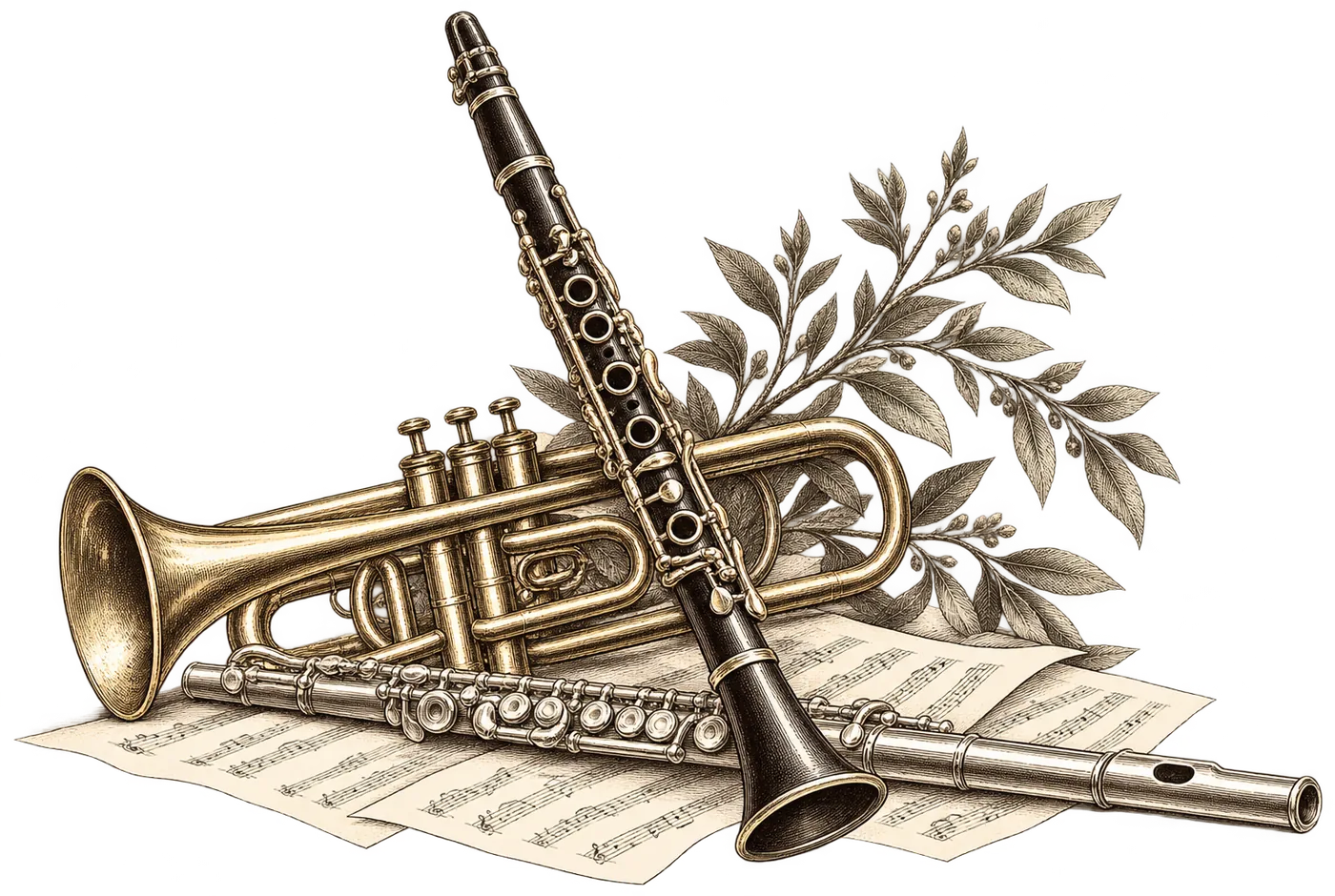
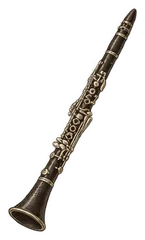
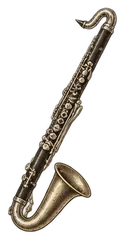
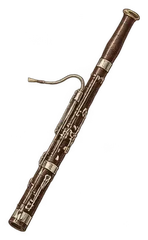
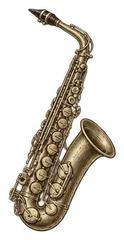
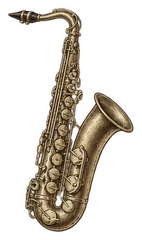
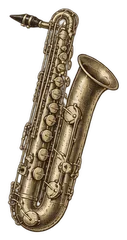
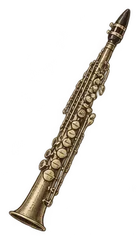
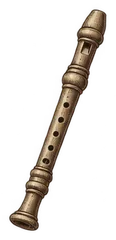
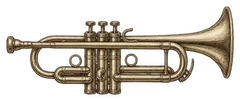
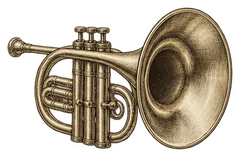
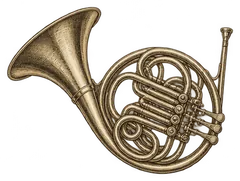
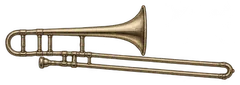
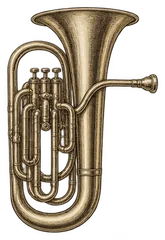
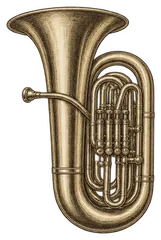
Each instrument has its own chart with every note from the lowest to the top of the usual range. A card shows the note on the staff, its name, and a drawing of the keys or valves to press. Tap a card to see the fingering larger, read it in plain words, check alternate fingerings, and hear the note at the pitch your instrument actually makes.
Find a note fast
Open your instrument and look for the note on the staff, the same way it appears in your music. Cards run from low to high, grouped by register, so the note you need is next to the notes around it.
Hear what it should sound like
Every card plays the sounding pitch. For a clarinet or trumpet that is a concert B♭ when you read a C, which is what a tuner or piano will show. Match it on your instrument and you know the fingering and your pitch are right.
Go from notes to music
Each instrument also has all twelve major scales and eleven easy songs with the fingering under every note. Most students start with the songs in the key their band book uses, then add the scales one at a time.
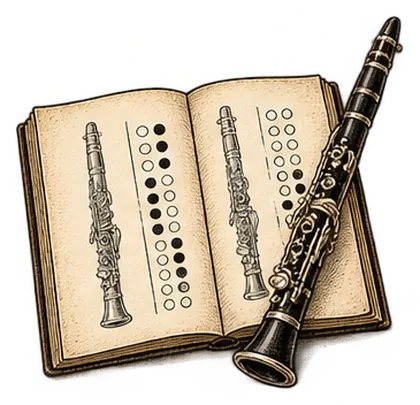 Reading chartsHow to Read a Fingering ChartWhat the circles, numbers and labels on a woodwind or brass chart mean, and how to turn a diagram into a note you can play.Read the guide →
 TheoryConcert Pitch vs Written PitchWhy a clarinet's C is a piano's B♭, how far each band instrument transposes, and how to move a melody or key signature from one to the other.Read the guide →
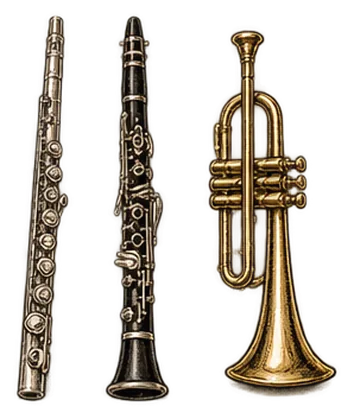 Getting startedChoosing a First Band InstrumentHow the common beginner instruments differ in what they ask of a student's body and a family's budget, and how to weigh a choice when braces or money are part of the picture.Read the guide →
New: putting a saxophone, flute or trombone together, and first notes on trumpet, trombone, French horn and clarinet. For parents: rent or buy and checking a used instrument.
Band directors use the charts on a classroom screen, in sectionals and as a link in practice assignments. The printable versions are one landscape page per instrument and are free to copy for students. The transposition chart shows what each section should play when the band tunes to a concert pitch, and the guides cover the questions students ask most, from reed strength to crossing the break on clarinet.
Every fingering is checked against published charts for the instrument; see the editorial policy for how. Spotted a mistake? Tell us.