Why used can be a good deal
Bought carefully, a used instrument from a known maker can be a very good value [7]. A store co-owner quoted by the Illinois Times said playable name-brand instruments in good working order usually sell for about half the price of new ones [7]. A purchase guide that a school band program gives parents says a used name-brand instrument can cost about the same as a generic new one [8].
The catch is that a used instrument can hide repairs that cost more than it did. Everything below is about finding those before you pay, not after.
Start with the brand
Check the name on the bell or body before anything else.
- Repairable makers. An estate sale guide notes that a local music store can usually replace missing pads on a Conn, Bundy, Yamaha or Selmer, while uncommon or discontinued brands can be hard to repad [1].
- Stencil brands. The school band guide warns about brands that copy another maker's design and are mass-produced. Repair technicians often won't work on them or can't get parts [8].
- Lookalike names. A teacher who buys and sells instruments told the Illinois Times about lookalike names on resale sites, such as "Selman" for Selmer, and said to ask someone about any brand you haven't heard of [7].
If you're not sure, ask your child's band director. The school guide asks parents to check with a director before buying, whatever the budget [8].
Checks for any instrument
- See it in person. The same Illinois Times story advised looking at the instrument yourself instead of buying sight unseen online, and having it evaluated [7].
- Missing parts. Be wary of a saxophone without its neck or an instrument missing keys, since some parts are hard to replace. Mouthpieces are the exception: most are common and easy to replace [1].
- Keys and pads. Keys should move smoothly and freely [1]. Partly eaten pads point to pad bugs (carpet beetle larvae), and repadding a whole instrument often costs more than it's worth [1].
- History. Ask how often it was played and when it was last serviced, and ask for repair receipts on a private sale. An instrument left untouched in an attic for 20 years may not fully recover [5].
- A trial period. Good sellers offer a trial, a return policy and a warranty. Use the trial to take the instrument to a repair shop [5].
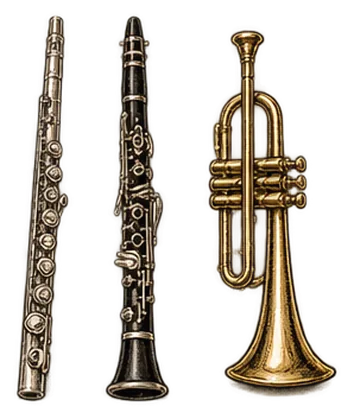
Flute
- No dents. The estate sale guide says flutes should have no dents at all, because dents can throw the keys out of alignment [1].
- Pads. Look for pads that are swollen, torn, dirty or eaten by bugs. Bug damage is the worst, because it can stop a pad from sealing at all [2].
- Headjoint cork. Push the cleaning rod into the headjoint until it rests against the cork. The line on the rod should sit in the exact center of the embouchure hole [2]. A healthy cork is very hard to move by hand [2].
- A cleaning first. Music & Arts recommends having a technician clean any used flute before it's played [2].
Clarinet
- Cracks. Skip any clarinet with visible chips or cracks [1]. Cracks are more common on wooden clarinets, and one that leaks air can mean replacing the clarinet. Small cracks that don't leak can often be filled by a repair technician [3].
- Tenon rings. The metal rings at the ends of the joints help keep the wood from cracking, so they should be snug. A ring that slips off needs attention right away [3].
- Pads. Old, discolored or tattered pads usually leak [3].
- Bent keys. A bent key can touch the keys next to it and make noise [3].
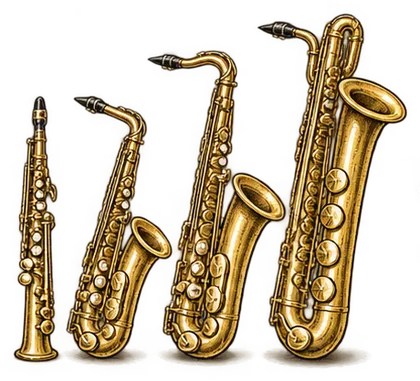
Saxophone
Matt Stohrer, a saxophone repair technician, lists the things he checks [4]:
- The neck. Has it been bent down at some point? Stohrer calls this a pulldown. The tenon (the end that goes into the body) should fit neither too tight nor too loose, and this joint leaks more often than not [4].
- Wiggle in the keys. More than a little play in the key mechanism usually means over a thousand dollars of mechanical rebuild ahead [4].
- Pads. Pads that feel spongy, gummy or soft point to a problem even if the horn plays well. If the seller left pad clamps on, take them off for a while, because clamps can hide leaks by squeezing the pads shut [4].
- Dents and posts. Look down the inside of the body for small dents, including ones hidden under posts, and check that no post has been knocked into the body [4].
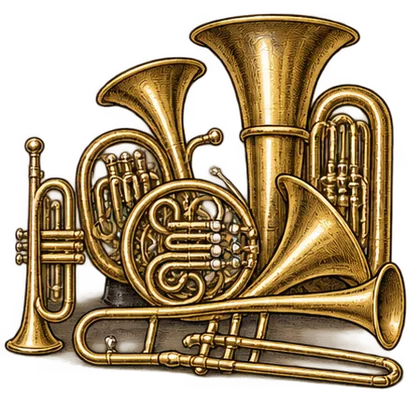
Trumpet, trombone and other brass
- Valves. A valve that sticks should start moving within a few minutes of oiling. If it doesn't, there may be a real problem. An instrument that sat for months can be sluggish until it's oiled [5].
- Slides. Slides should move smoothly [5]. Don't force a stuck one: a slide that won't move by hand usually means the horn needs a professional cleaning [6]. Take trombone slide problems and dents to a technician [6].
- Dents. Most dents are cosmetic, but some affect the sound or the strength of the instrument [5].
- Red spots. Reddish spots can be a sign of red rot, a kind of corrosion. Ask a repair technician about any discolored spots [5].
- Play it. The high notes should come out freely and the low notes should sound full. If a few notes in a scale are oddly out of tune, pass [5].
- The mouthpiece. For hygiene, Houghton Horns recommends replacing any mouthpiece that comes with a used instrument [5].
Worked example: is that used alto sax a bargain?
Say a name-brand alto saxophone is listed at half the price of a new one, which is about what a good used name-brand instrument sells for [7].
- Check the brand against the band director's list [8].
- Make sure the neck is there and fits the body snugly [1][4].
- Wiggle each key gently. If the mechanism has more than a little play, Stohrer's estimate is over $1,000 of mechanical rebuild [4]. Add that to the price and the half-price horn is no longer a deal.
- Press on a few pads. Spongy or gummy pads are a warning even if it plays [4].
- Count the extra costs before you compare prices. Houghton Horns gives the example of a $3,500 trumpet that becomes $4,000 once tax, shipping, customs, a case and a mouthpiece are added [5].
- Take it to a repair shop during the trial period [5].
When to walk away
- Pads partly eaten away [1].
- Visible cracks or chips in a clarinet [1].
- Any dent in a flute [1].
- Keys bent by more than a few millimeters, which may be too damaged to fix. A bend of only a few millimeters may be fixable by a technician [1].
- Loose, wobbly saxophone keywork [4].
- A stencil brand that local repair shops won't touch [8].
Stohrer's rule for a doubtful instrument: "Whenever there is any doubt, there is no doubt" [4].
Common mistakes
- Buying online without seeing it [7].
- Skipping the repair shop check during the trial period [5][7].
- Forgetting the extra costs of tax, shipping, a case and a mouthpiece [5].
- Bending keys back yourself. Leave that to a technician [1].
- Playing the old mouthpiece without replacing it [5].
- Trusting shine. A shiny finish says nothing about whether the instrument can be repaired [8].
Once the instrument passes, have it cleaned and adjusted before your child starts. Music & Arts recommends that for any used flute [2], Houghton Horns suggests a professional ultrasonic cleaning for brass once a year [5], and the rent or buy guide compares buying used with a rental plan.
Sources
- Estate Sale Tips: Band Instruments (Matt Ellison), EstateSales.NET
- The Most Common Problems with Used Flutes, Music & Arts
- Common Repairs for the Clarinet, Music & Arts
- Evaluating a Used Saxophone for Purchase (Matt Stohrer), Stohrer Music
- How to Shop for Pre-Owned Brass Instruments (Kacie Wright), Houghton Horns
- When Is It Time to Take Your Band Instrument In for Service?, Sweetwater
- Rent or buy, new or used? (DiAnne Crown), Illinois Times
- Instrument Purchase Guide (Bradley Mariska), Sims Band