
Learn
Guides for band students and teachers
In-depth answers to the questions that come up in the first years of band: reading a chart, transposing, choosing reeds, tuning, range and care. Each guide cites its sources.
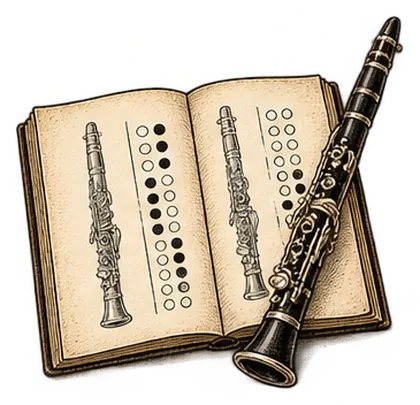
Each guide answers one question in depth, with worked examples using real notes, and a numbered source for every fact. They are written to be read alongside the charts: when a guide mentions a fingering, it links to the chart that shows it.
Where to start
- New to band, or choosing an instrument: start with choosing a first band instrument, then how to read a fingering chart.
- Playing in a band for the first time: concert pitch vs written pitch explains why your C is not the piano’s C, and tuning with a tuner covers what to adjust on each instrument.
- Practicing at home: the home practice routine gives minute-by-minute plans for 20 and 30 minutes.
- Specific instruments: clarinet players get stuck at the break, reed players at reed strength, brass players on range, slide positions and care, and new flutists on making a first sound.
All guides
Reading chartsHow to Read a Fingering ChartWhat the circles, numbers and labels on a woodwind or brass chart mean, and how to turn a diagram into a note you can play.Read the guide → TheoryConcert Pitch vs Written PitchWhy a clarinet's C is a piano's B♭, how far each band instrument transposes, and how to move a melody or key signature from one to the other.Read the guide →
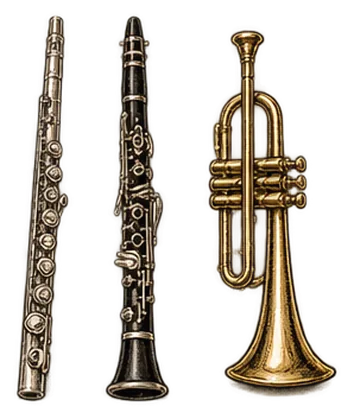 Getting startedChoosing a First Band InstrumentHow the common beginner instruments differ in what they ask of a student's body and a family's budget, and how to weigh a choice when braces or money are part of the picture.Read the guide →
 PracticeA Home Practice Routine That Actually WorksHow long to practice, what to do with each minute, and how to take a hard passage from slow to performance tempo in a week.Read the guide →
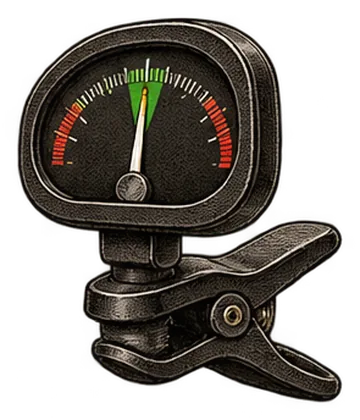 PracticeHow to Tune Your Band Instrument With a TunerWhat the needle and the cents number mean, which part of your instrument to move, and how far to trust the reading.Read the guide →
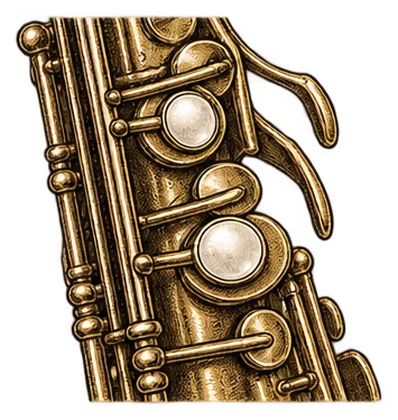 TechniqueAlternate Fingerings: When the Chart's First Answer Isn't the Best OneMost notes have more than one fingering, and the right one depends on the notes around it, the tuning, and the sound you want.Read the guide →
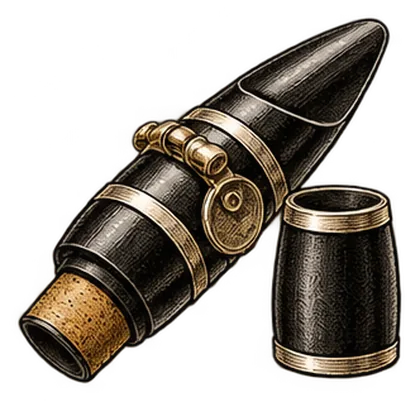 ClarinetCrossing the Break on ClarinetWhy the jump from throat B♭ to clarion B is hard, and a slow drill from open G to clarion C that fixes it.Read the guide →
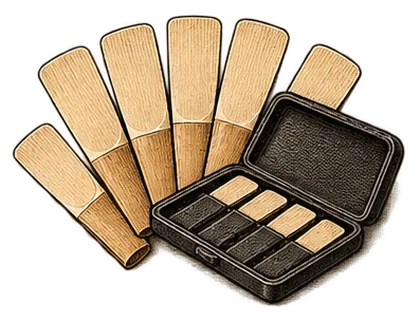 Clarinet and saxChoosing Reed Strength for Clarinet and SaxophoneHow to read the number on the box, compare brands, and tell from your sound whether the next reed should be softer or harder.Read the guide →
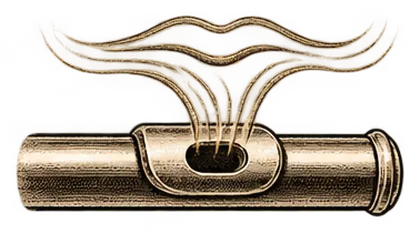 FluteGetting a First Sound on the FluteStart on the headjoint alone, find where the air splits on the far edge of the hole, then carry that setup onto B, A and G.Read the guide →
 TrumpetPlaying Higher on TrumpetHigh notes come from changing partials on the same fingering, with fast air and light pressure, built a few notes at a time over weeks.Read the guide →
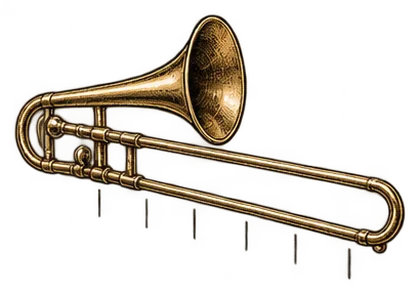 TromboneTrombone Slide Positions ExplainedEach position lowers the horn by a half step, and each one holds a whole stack of notes, which is why the same pitch can live in more than one place.Read the guide →
 Brass careCleaning and Caring for a Brass InstrumentWhat to do after every rehearsal, what to do once a month, and the few jobs that belong to a repair shop.Read the guide →