
Bari Sax · free tool
Bari Sax tuner
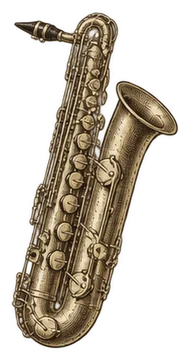
A free bari sax tuner that shows the note you read, not the concert pitch: play a written G for the band's concert B♭ and the tuner says G. It also tells you which way to adjust when you are sharp or flat.
Loading the tuner…
The tuner listens through your microphone. The sound is analysed on your device; nothing is recorded or sent anywhere.
How to tune the bari sax
Tune by moving the mouthpiece on the neck cork: further on raises the pitch, further off lowers it. The bari reacts to air temperature, so retune after it has warmed up.
Tuning note: school bands usually tune to concert B♭, which is a written G on bari sax. Orchestras tune to A. Use the reference tone above to hear the note before you play it.
If the tuner says sharp: Pull the mouthpiece out a little on the cork. If it says flat: Push the mouthpiece further onto the cork.
Steps
- Warm up for a few minutes so the instrument and reed is at playing temperature.
- Press Start, allow the microphone, and play the tuning note at a medium volume.
- Start the note before you look at the needle, then read it.
- Adjust the mouthpiece a little, play again, and repeat until the needle sits in the middle.
- Check two or three other notes, low and high, to see how the instrument behaves.
The fingering for every note is on the bari sax fingering chart. For other instruments, use the main tuner.
Common questions
What note should bari sax tune to?
In a school band, concert B♭, which is written G for bari sax. In an orchestra, concert A.
Why does my phone tuner show a different note?
Most tuner apps show concert pitch. The bari sax is a transposing instrument, so its written notes and concert notes differ. This tuner shows the written note when Bari Sax is selected.
Is my sound recorded?
No. The tuner analyses the sound on your device while it runs and keeps nothing.
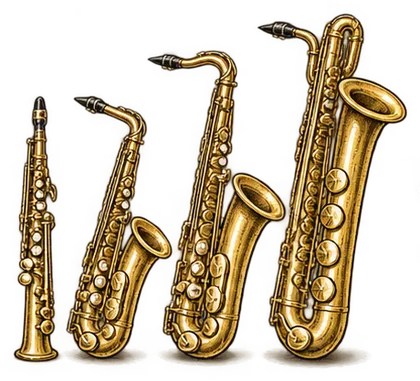 SaxophoneSoprano, Alto, Tenor and Baritone Saxophones ComparedThe four saxophones in a school band share one set of fingerings, so what changes from one to the next is the size of the horn and what it asks of your embouchure and air.Read the guide →
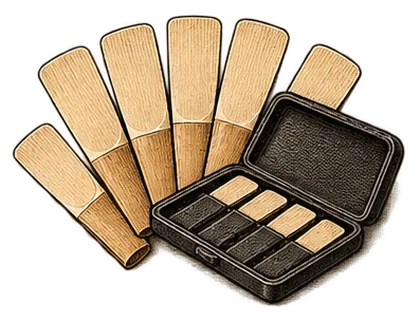 Clarinet and saxChoosing Reed Strength for Clarinet and SaxophoneHow to read the number on the box, compare brands, and tell from your sound whether the next reed should be softer or harder.Read the guide →
Helpful for tuning
As an Amazon Associate we earn from qualifying purchases. These are paid links that search Amazon; prices are the same for you. Disclosure.